
Pilates for the elderly
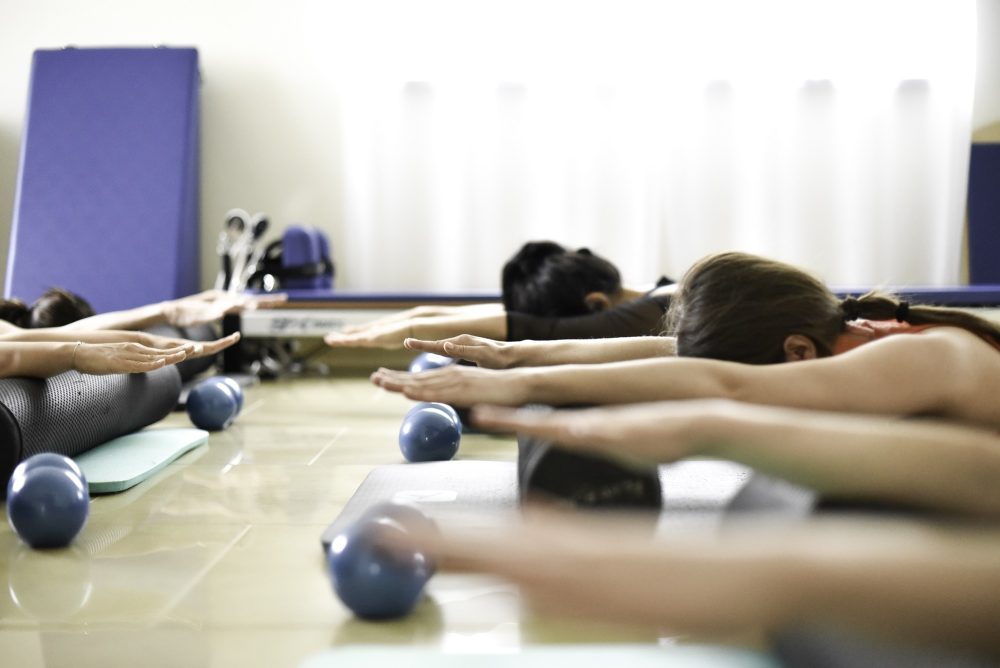
Long gone are the days when we could only imagine the elderly sitting in rocking chairs. Since Pilates exercises can be modified and adapted to our liking, the older generation doesn't have to give up an active lifestyle. Difficulties associated with age, such as weak bones or rheumatism, no longer hinder exercise. After all, Joseph Pilates himself actively practiced Pilates well into his eighties!
“Pilates is perfect for seniors because it doesn't strain the body as much as other exercises, and it's nowhere near as damaging to the joints as most sports,” says Ellie Herman, a Pilates instructor and owner of several Pilates studios. “It's an incredibly gentle way to exercise. If you're getting on in years and haven't exercised in a while, Pilates is perfect for getting back into it.”
Pilates courses for the elderly
Although Pilates can be easily followed through videos or books, it is still advisable to enroll in a group, especially if you are a beginner.
As Pilates becomes more accepted in the fitness world, specialized Pilates courses for seniors are also becoming more numerous. If you can't find such a group nearby, it's worth trying a beginner's group. For most older individuals, the level of a beginner's group is not too difficult and provides just enough room for development. Another positive is that groups are usually relatively small, so the instructor can pay special attention to ensuring that the exercises are personalized. Moreover, small groups bond faster, so after a few sessions, you can exercise in a real small community.
The third option is a personal trainer, who can be found in most Pilates studios. This is the easiest way to learn the basics of Pilates. The only drawback is that in this case, there isn't a team around to motivate us.
What should we pay attention to?
Before starting Pilates, it is essential to consult your doctor. Pilates is extremely adaptable, but it's important to know what conditions need to be considered when determining the exercises.
Many people experience that with age, balance, flexibility, and endurance are no longer what they used to be. Pilates can reverse these signs of aging, it just requires a little commitment and perseverance. There is absolutely no need to be ashamed if you cannot perform certain tasks – every student has the right to adapt the exercises to their own abilities. A good instructor works with their students, assesses their abilities, and last but not least, looks after them. We don't have to worry about getting injured or falling, and we should never start exercises that we cannot perform.
Pilates and osteoporosis
Osteoporosis should not be ignored, as an incautious movement can keep us away from exercise for months. Osteoporosis means the weakening of bone structure and carries a higher risk of fractures and cracks. For those over 65, there is a high chance of developing osteoporosis, so it is extremely important to examine bone density before starting Pilates.
Exercises where we use our own body as weight (such as Pilates) are often recommended by doctors to prevent the development of osteoporosis. However, if the condition is already present, the exercises change significantly. In such cases, most balance-requiring exercises, forward bending, and various twists are not recommended. However, this does not mean that people with osteoporosis cannot do Pilates, only that the exercises must be determined in such a way as to completely exclude the risk of bone fracture.
What's the verdict?
Pilates is also extremely beneficial for the elderly. We can rejuvenate years with the help of Pilates if we remain committed, persistent, enthusiastic, and careful.