
Why is stretching important?
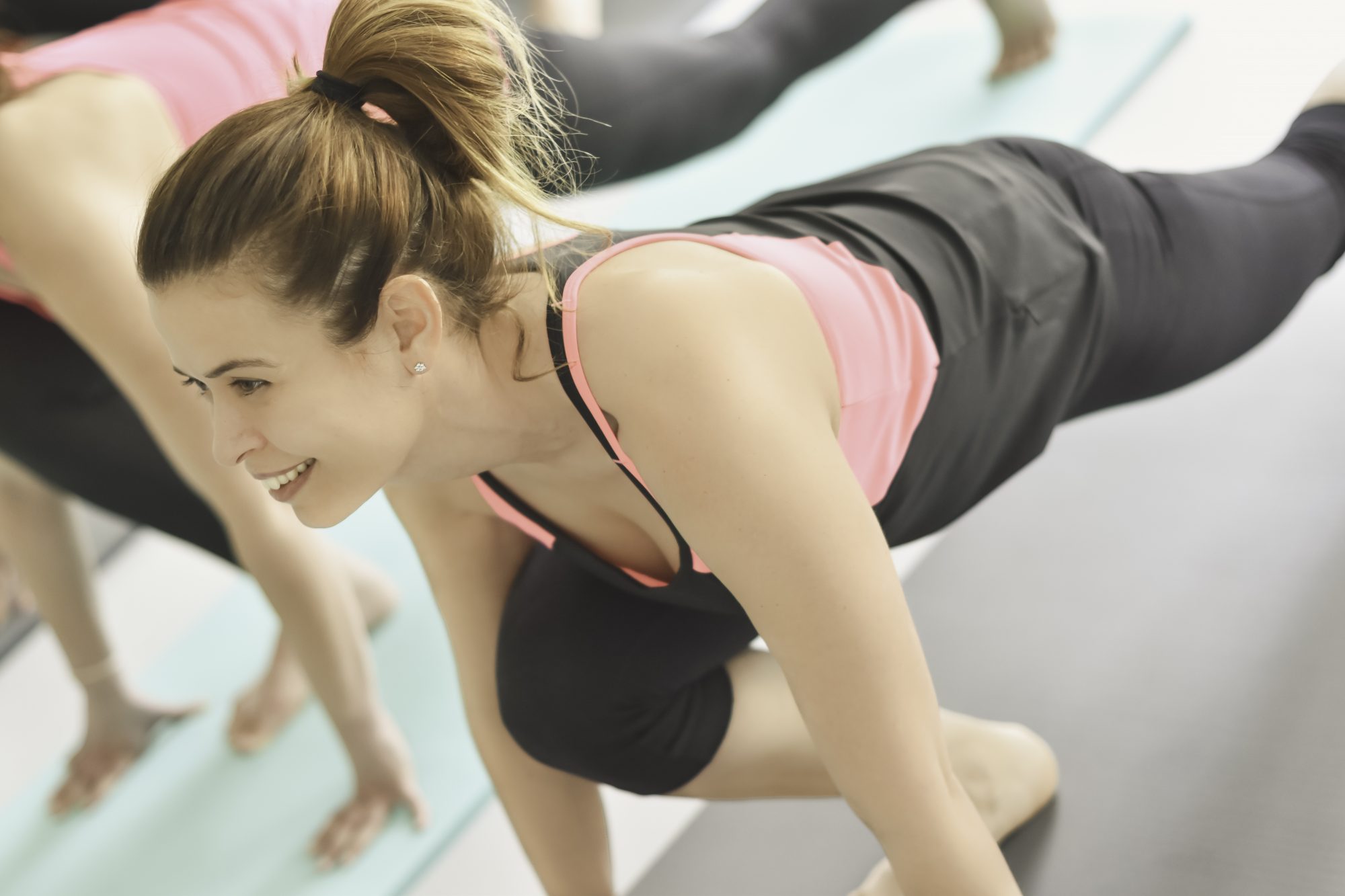
As we age, our muscles and joints lose a lot of their flexibility. This can make even everyday tasks challenging. We might not even notice it at first – we'll just blame fatigue for finding it hard to reach things on the top shelf, or sweep the pain under the rug with the excuse that we just slept badly. But why live with pain and discomfort when a simple series of exercises can alleviate it, or even eliminate it completely? By incorporating exercise into our daily routine, we can significantly improve mobility, health, and quality of life.
Let's see exactly what positive effects stretching has:
- reduces muscle tension,
- increases muscle coordination,
- improves circulation,
- increases energy levels,
- relaxes,
- improves posture,
- reduces joint and muscle pain,
- reduces the risk of injuries,
- speeds up muscle regeneration,
- improves balance and flexibility,
- results in a better quality of life and a stronger mind-body connection.
Stretching must also play a significant role in Pilates. Since Pilates is low-intensity, it is suitable for those struggling with muscle and joint injuries and pain. Pilates, combined with stretching, forms a perfect exercise program. There are many ways to stretch, and by applying each method, we can achieve the benefits listed above.
In static stretching, we hold a position for a longer period. Many also call it isometric stretching. Static stretching can be passive and active.
Passive stretching is therefore a form of static stretching where the stretch is held for a longer period. In this case, an external force, such as gravity or our own body weight, allows the stretch to occur. In Pilates, we use various equipment, mostly bands, as external forces.
In active stretching, the agonist muscle contracts, thereby encouraging the antagonist muscle to stretch. In other words, we work one muscle with the goal of stretching another.
The purpose of post-workout stretching is to return our muscles to their pre-workout state. It usually forms the last part of a Pilates workout; we can even view it as muscle maintenance. Each movement is held for approximately 10-15 seconds. It is important that no muscle group is left out of the stretch, and that we do not skip this step, as it greatly helps in preventing injuries.
Dynamic stretching occurs through movements and usually forms part of the warm-up in a Pilates class. Its goal is to increase mobility and prepare the body for the workout itself. Every joint and muscle must be moved during dynamic stretching, as this is how the body will warm up best.
For all stretches, it is important to follow these rules:
- Make sure you have warmed up sufficiently before static stretching.
- If you stretched one leg, don't forget the other. Balance is extremely important in stretching.
- During static stretching, focus most on the areas that were worked during the class.
- Relax the targeted muscle group and maintain correct posture.
- Always perform stretches slowly and with control.
- Never overdo stretching! As soon as you feel pain, ease off the stretch a little. It's best if you only feel a mild tension. Otherwise, there is a risk of muscle tear.
- Don't forget to breathe during the hold.
- If you hold your breath, turn red, or tremble, it's a sure sign that you've overdone the stretch.
- If you are recovering from an injury, suffer from osteoporosis, or are pregnant, you must be extremely careful.
Many people view stretching as an unnecessary extra task that they would gladly skip. However, stretching is extremely important and should be included in every Pilates exercise program.