
Why does your lower back hurt, even though you 'didn't do anything'?
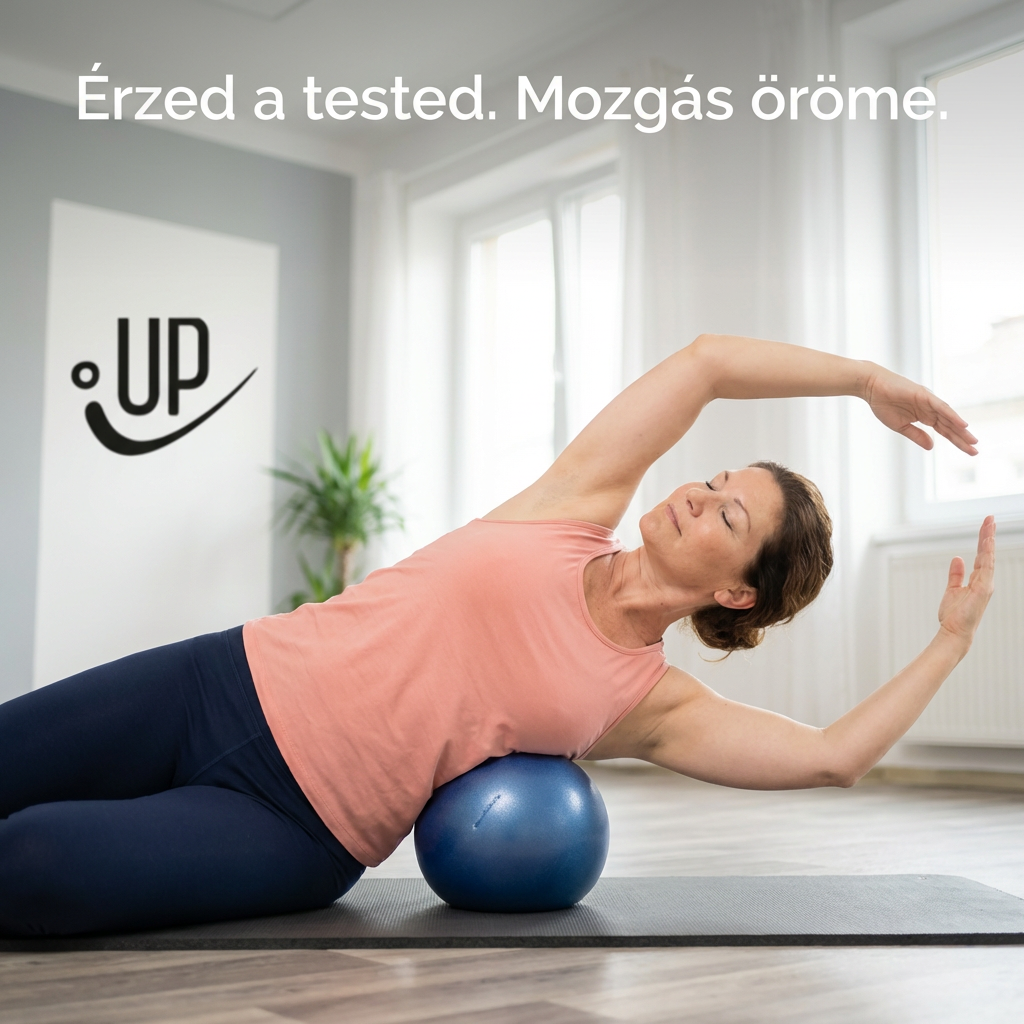
Many are puzzled by it.
"I didn't lift anything heavy."
"I didn't overdo it with sports."
"Nothing special happened."
"Yet my back seized up."
And indeed: sometimes back pain doesn't appear due to one big event, but rather due to the accumulation of many small things.
Your body rarely signals from one moment to the next.
More often, it compensates for a longer time… and then, eventually, its reserves run out.
Pain doesn't always mean injury
Many believe that if something hurts, it must be "broken."
However, pain is often more of a warning.
The body signals that:
- there's too much load somewhere
- work is poorly distributed
- there's too much tension
- there's too little movement variation
- stability is weak
- the same pattern has been repeating for too long
In other words, it's not always your back that's the problem.
It might just be that your back is working for others.
One price of modern life: sitting
If you sit a lot, certain areas of your body tend to become overloaded.
Common consequences:
- stiffer hips
- weaker glutes
- less active abdominal muscles
- restricted thoracic movement
- tight hip flexors
- anterior pelvic tilt
- overloaded lumbar spine
In such cases, even a simple movement can be enough to make your back "signal."
Not because you are weak.
But because the system has not been functioning optimally for too long.
Stress can also manifest in your back
The body and the nervous system work together.
If there's a lot of stress, little rest, and high tension, muscle tone often increases. Many people then feel the burden in their neck, shoulders, or lower back.
It's no coincidence they say:
"I carry everything on my back."
What can help?
Complete rest is not always the solution. In many cases, smart, gradual, well-guided movement is better.
Pilates can be particularly useful because it develops:
- core stability
- posture
- the quality of hip and spine movement
- breathing
- coordination
- conscious muscle use
The goal is not to "endure the pain," but to provide your body with better operating conditions.
What many find surprising
It's not just their back that gets better.
But also:
- they move more easily
- they feel more energetic
- they are less tense
- they sleep better
- they load themselves with more confidence
Because when the body functions more efficiently, the whole day changes.
When should you consult a specialist?
If the pain is severe, radiates, is accompanied by numbness, worsens, or persists, a medical examination is definitely important.
But for many everyday back complaints, improving movement quality can be a key factor.
You don't have to live with it
Many people accept for years that "this is just how my back is."
However, this might not be your normal state – you've just gotten used to it.
Try us out
At Up Pilates Studio classes, we help you build a stronger, more stable, and freely moving body with personalized guidance.