
How to prepare for your first Pilates class? – What to wear, what to bring, and what to expect? –
It's always a little intimidating when we find ourselves in a completely new environment, even if we've chosen it ourselves. However, Pilates classes can be more intimidating than, say, changing gyms. You walk into the studio and see the Reformer. You're among the lucky ones if you even know that the equipment, fitted with springs and straps and looking extremely dangerous, is called a Reformer. You hear terms like "powerhouse" or "neutral spine," and suddenly you're not even sure you understand Hungarian anymore. In other words, a Pilates class is one of those things that radiates a "run if you don't know what you're doing" vibe.
If you're one of those people who would love to try Pilates but are held back by the fear of the unknown, it's time to step out of your comfort zone! Your job is to keep reading, and our job is to arm you for your first Pilates class.
What to wear when you're getting ready for Pilates?
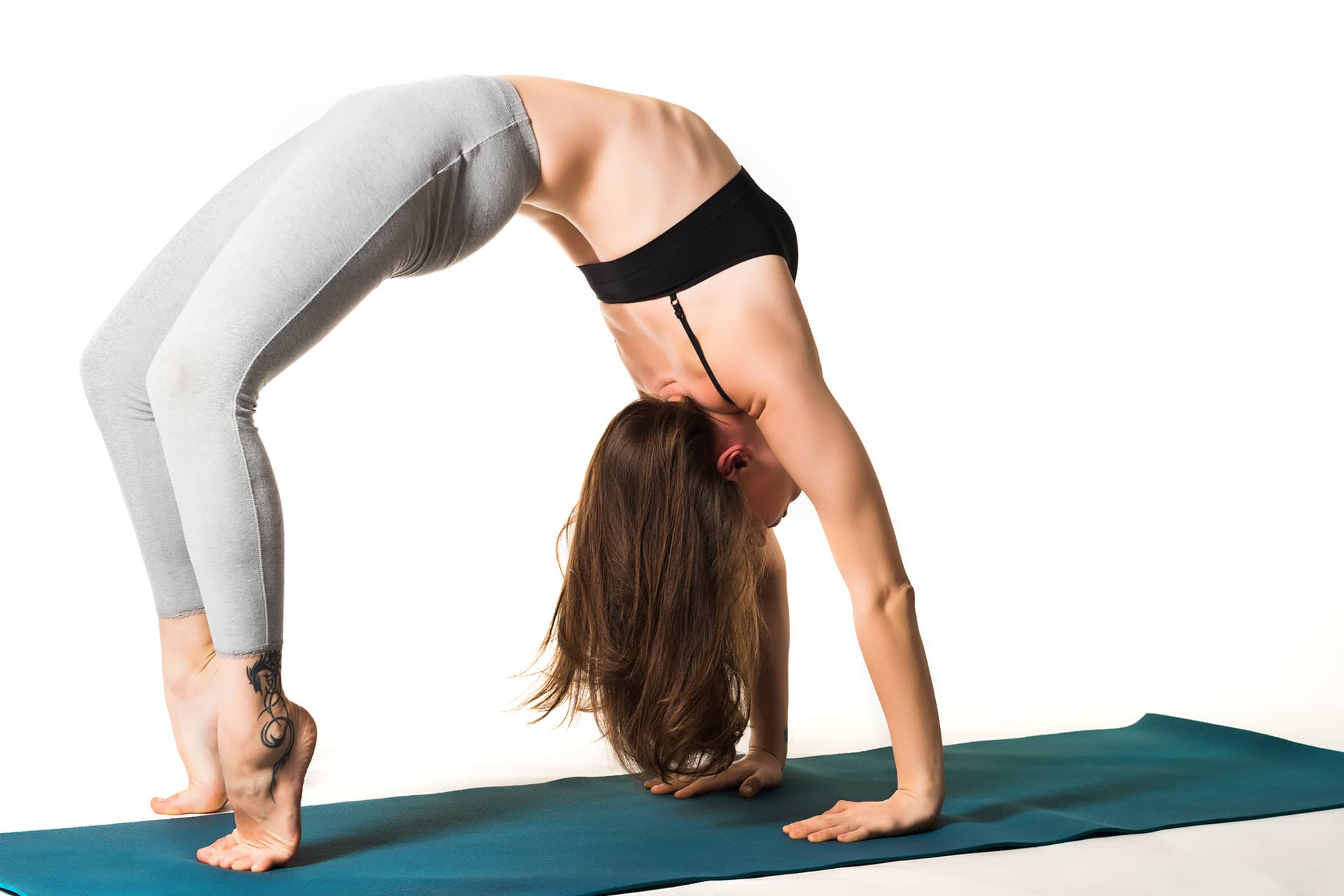
Many people prefer to work out in a loose, oversized T-shirt and sweatpants. However, for Pilates classes, it's advisable to wear a form-fitting, "clingy" T-shirt and leggings (or "cicanadrág" in Hungarian). There are two reasons for this. Firstly, the Pilates instructor can better see how your muscles move during the exercises, which helps them determine if you're performing the task correctly. The other reason is that oversized T-shirts can easily get caught in certain parts of the aforementioned Reformer. No one will be watching your rolls or love handles during the workout – everyone will be busy with the exercises, and besides, everyone in Pilates classes is extremely open and accepting! It's also worth leaving shorts at home, as there are many exercises where your legs will be in the air – so stick to leggings, unless you want to flash.
You'll also need to take off your sneakers. Whether you do the exercises barefoot or in socks is usually your decision, but it's worth asking when you sign up, as this can vary from studio to studio. If you opt for socks – which are more hygienic – it's important to choose ones with non-slip grips to prevent slipping on the equipment.
Avoid buckles, clasps, belts, chains, jewelry – not only can they make the workout uncomfortable, but they can also damage the equipment. For similar reasons, you can safely forget about makeup.
If you have long hair, tie it up or braid it, as it can be extremely distracting if it hangs in your face.
Let's not forget that although neither you nor the other exercisers will be sweating profusely during Pilates, it's completely normal for there to be certain odors in a closed room where several people are working out. This in itself is not a problem, but if someone tries to mask these natural odors with strong perfumes or deodorants, it will only make the situation worse. We're not saying don't use deodorant at all, but perhaps stick to unscented versions.
What should you bring with you?
Nothing. Well, maybe that's a bit of an exaggeration. It's good to have a bottle of water with you. Although you won't drink as much as during an aerobics workout, hydration is important during Pilates too. Many people prefer to work out on their own exercise mats, so if you have a favorite, feel free to bring it with you. Pilates exercise mats are a bit thicker than those used for yoga, which adds to the comfort.
If you've heard of equipment like the Reformer, the Stability Chair, or the Cadillac, and you panicked because you don't have any of those, you can relax now. This equipment is provided by the studio, and you won't be using it in the beginning anyway.
What to expect?
Hard work. If you've peeked into a Pilates studio window a few times, you've probably seen a dozen or so people lying on the floor. You've lulled yourself into the misconception that lying on the floor is easy. However, you'll soon realize that this is not true at all. Muscles you didn't even know existed will be working. And if you feel the burn during the workout, you'll feel the muscle soreness afterward.
Be prepared to be thoroughly questioned about any injuries or changes. Instructors don't do this out of curiosity, but it's important for them to know about things like surgeries, illnesses, pains, injuries, or even pregnancy. If they don't ask, but you have something to report, don't be afraid to go to the instructor and tell them. They can only personalize the exercises if they know everything about you.
Expect to hear many terms you're unfamiliar with. Feel free to glance at others to see what they're doing. It's best to stand in the middle, as from there you can clearly see both the instructor and the other exercisers.
Some bonus tips
- Don't be late! Show respect to the instructor and your classmates by arriving on time.
- Don't try to chat with others during class! You can socialize before and after class, but while the class is in session, don't break your (or others') concentration.
- At the end of class, put the equipment back where you found it! Just as you like to arrive in an organized studio, the next group would also like to find everything in its place.
- Don't disappear without a word! Sometimes you might have to miss a class. However, calling in only takes half a minute. This way, they won't wait for you or worry about you.
- Warm up before class! If you arrive a little early, use the time to warm up. However, do not disturb an ongoing class. Do not occupy the equipment, and respect the group by not talking loudly on your phone. Instead, find a quiet corner, warm up, and wait until the class ends.
Now that you know roughly what to expect, there are no more excuses! You can visit your nearest Pilates studio today and enroll in a beginner's class.