
The benefits of body awareness – or how to be less clumsy, and other benefits of body awareness –
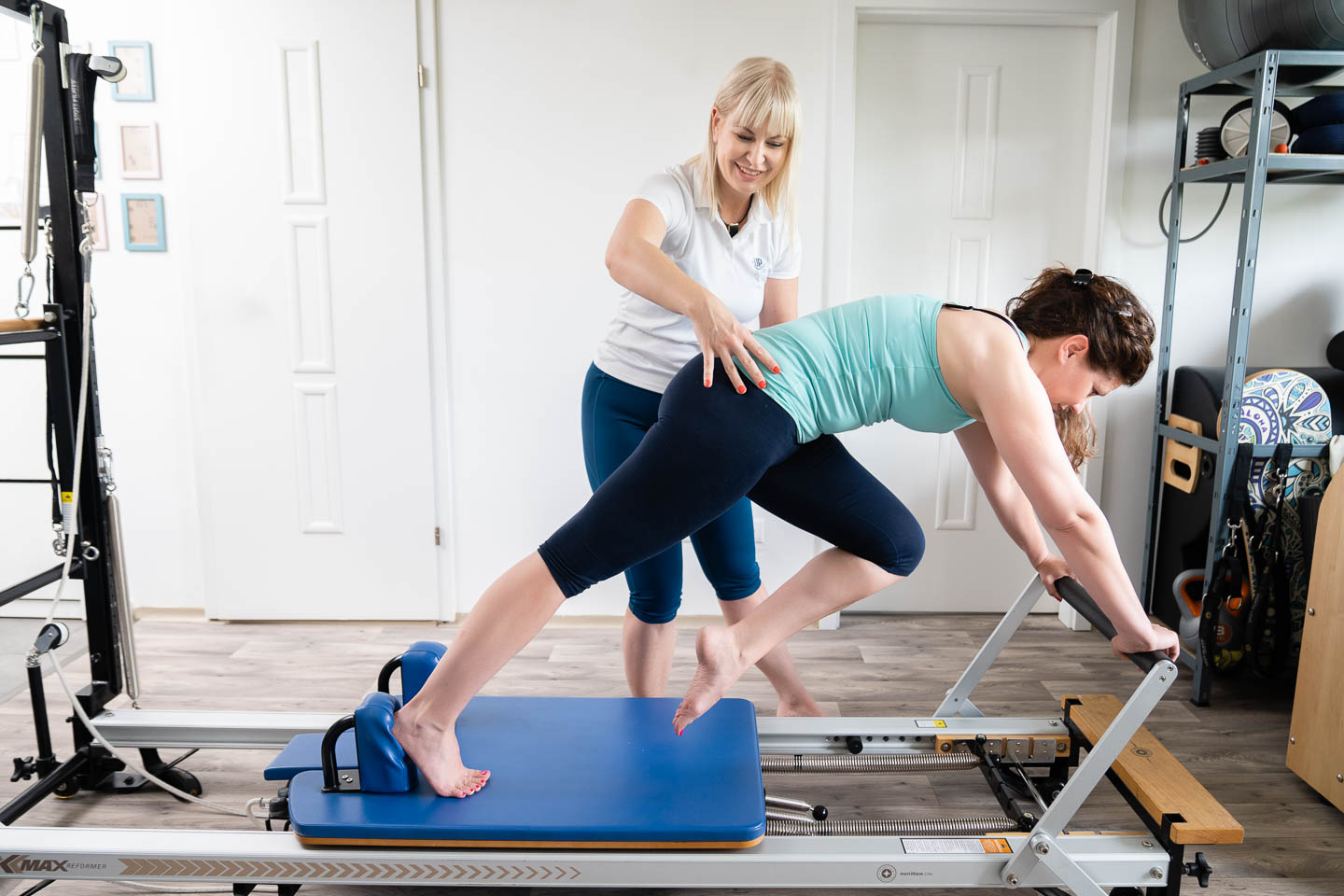
Body awareness is just one of the many benefits of mindfulness. As we practice being present in the moment, we become more attentive to what is happening within us and around us. When we are mindful, we can better feel what is going on in our bodies, how they react to the environment, and their connection to the brain. All of this contributes to us becoming more skillful, and it also affects our health.
Coordination and balance will improve.
If someone is clumsy, it usually means they have low body awareness. In other words, even if they perceive what is happening within and around them, their reaction is poor. Let's help the brain connect to our body's mass and movements, thereby improving coordination and balance. How? Try to consciously focus on each part of your body and how it is positioned in space.
We can make better decisions about our health.
According to some research, approximately 12 million adults in the United States are misdiagnosed – and even more have undiagnosed illnesses. We can blame doctors, but we ourselves should know our bodies best. If we are body-aware, we almost immediately sense if something is wrong. This way, we can detect problems earlier and better convey our experiences to our doctor. The body always communicates when something is amiss. Our job is to respond well to these messages.
Body awareness can shed light on food sensitivities.
Allergies, poor sleep habits, and digestive problems are most often related to food. Heartburn, headaches, bloating, pain, and feelings of fatigue all indicate that something is wrong – and instead of finding out what is causing the problem, we get used to it.
In the long run, this can lead to chronic health problems that can significantly affect quality of life and lifespan. However, if we pay attention to our bodies, we can easily figure out which foods need to be eliminated from our diet.
Weight loss becomes easier.
According to Stephanie Fay's research, 75 percent of people eat even when they are not hungry. Noticing when we are hungry and when we are full is closely related to body awareness. And if we know when we truly need food and when we just want to eat because we are bored or because our company is eating, it can significantly contribute to weight loss or maintaining a healthy weight.
Eating in company causes the most problems for those who want to lose weight. We won't drool watching others eat – but if we feel we're not hungry, order a smaller portion or eat a salad! This way, we don't have to give up the shared experience, but we still take care of our health.
Controlling body language becomes possible.
According to Dr. Albert Mehrabian, 93 percent of communication is nonverbal. Body-aware people know how they sit or stand and what radiates from their faces – so they don't have to worry about someone misunderstanding their gestures. It is very common for our posture to show something different from what we feel. However, through body awareness, we can always show what we want.
How to acquire body awareness?
We can choose from various methods, but we would like to highlight Pilates. Through Pilates, we can easily, playfully, and effortlessly become body-aware in a natural way. It won't feel like we are deliberately learning something; it will come naturally. In addition, Pilates has many other benefits that make it even more worthwhile to try.
Body awareness ensures that we experience every moment in its raw reality and that we can fully feel every sensation. By focusing on the body, it's easier to let go of the past and not stress about the future. We become more relaxed, our heart rate calms down, our cortisol levels decrease... We can gain this and many other things by learning to be body-aware.