
The effect of regular exercise on memory and thinking
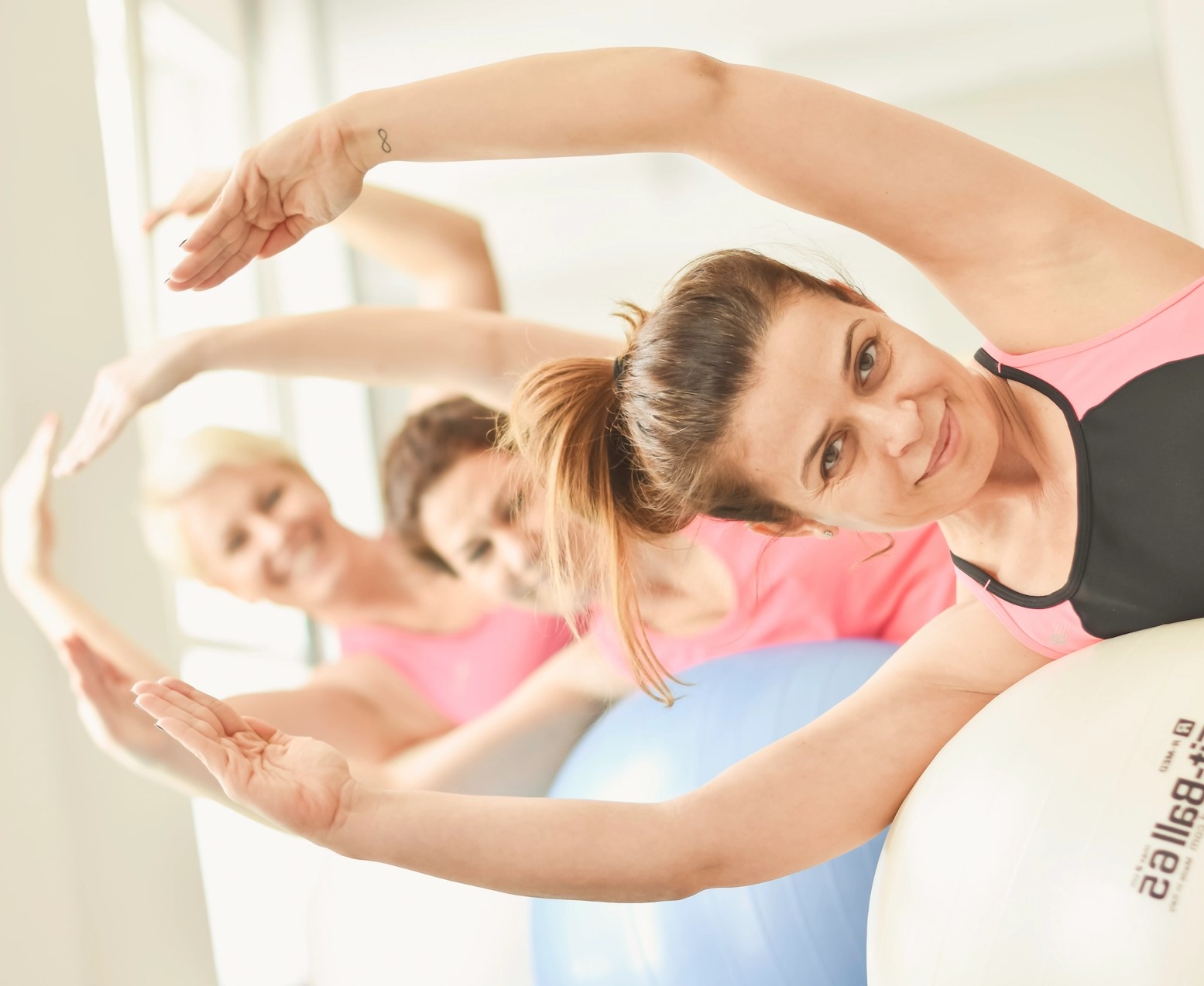
There are many arguments for regular exercise. Everyone knows the most important ones – the risk of heart disease, stroke, and diabetes decreases. Weight loss, blood pressure reduction, and the prevention of depression are also compelling reasons. And besides all that, there's also the fact that we simply want to look better (but let's not forget that beauty is relative – health and well-being are paramount).
However, there's one argument we tend to forget (perhaps precisely because we don't exercise regularly?). Whether we like it or not, aging is a natural part of life. Not just the body, but the brain too. Who would have thought that with exercise, we can protect not only our bodies but also our brains from the passage of time? A good workout has a positive effect on the brain and preserves our memory and thinking abilities.
This realization couldn't have come at a better time, as some research suggests that dementia is diagnosed in someone every four seconds. Based on this, by 2050, 115 million people worldwide will suffer from dementia. It's never too late to start exercising. Just think, how many memories can we preserve if we get off the couch today and start exercising?
Exercise and the brain
Exercise helps our memory and thinking both directly and indirectly. It's not some abstract, psychological explanation – what happens is that exercise reduces insulin resistance, decreases inflammation, and stimulates the release of growth factors (these factors contribute to the health of brain cells and the formation of new blood vessels). This is what we mean by direct or immediate effect.
Indirectly, exercise improves our mood and sleep habits, and reduces stress and anxiety.
Numerous studies prove that the parts of the brain responsible for thinking and memory are significantly larger in individuals who exercise regularly. “Even more exciting is the discovery that six months of regular, moderate-intensity exercise can increase the volume of these brain areas,” says Dr. Scott McGinnis, neurosurgeon. After such information, why wouldn't we try Pilates? In the worst case, we stop after six months and can say that we did something for our brain's health. However, if we experience the other positive effects of Pilates, we won't be satisfied with just six months of exercise!
Let's give it a try
What should we do? The answer is simple.
Go exercise!
But first, let's see what exercises are best for this purpose. All research has focused on walking. “Probably any exercise that gets your heart rate up will have a positive effect,” says Dr. McGinnis.
How often do you need to exercise to feel the effect? The study participants walked for one hour twice a week. This amounts to 120 minutes of moderate-intensity exercise per week. Generally, half an hour of activity per day is recommended (one or two rest days are fine), or 150 minutes per week. If this seems too much, you can start with a few minutes a day, then add 5-10 minutes weekly until you reach your goal.
Not everyone likes walking, but they don't have to give up on good memory either. Any moderate-intensity exercise can be considered, such as swimming, climbing stairs, dancing, or Pilates. If you can't make time for exercise, then an intense mopping, vacuuming, raking, etc., will also do. The main thing is to feel your heart rate quicken.
Is it hard to start alone? In this case, you can try the following:
• Join a group or team up with some friends (there are excellent Pilates groups whose members motivate each other, so no one will give up halfway).
• Start tracking your progress. Many mobile phone applications are suitable for this purpose.
• Hire a personal trainer. It's not cheap, but perhaps this will motivate us.
Whichever form of exercise we choose, the most important thing is to establish a habit. It's like taking a medicine every day at eight in the morning. After all, many people believe that exercise is the best medicine. Whether this is true or not, we certainly won't lose anything by starting to exercise regularly.