
The benefits of Pilates for the elderly
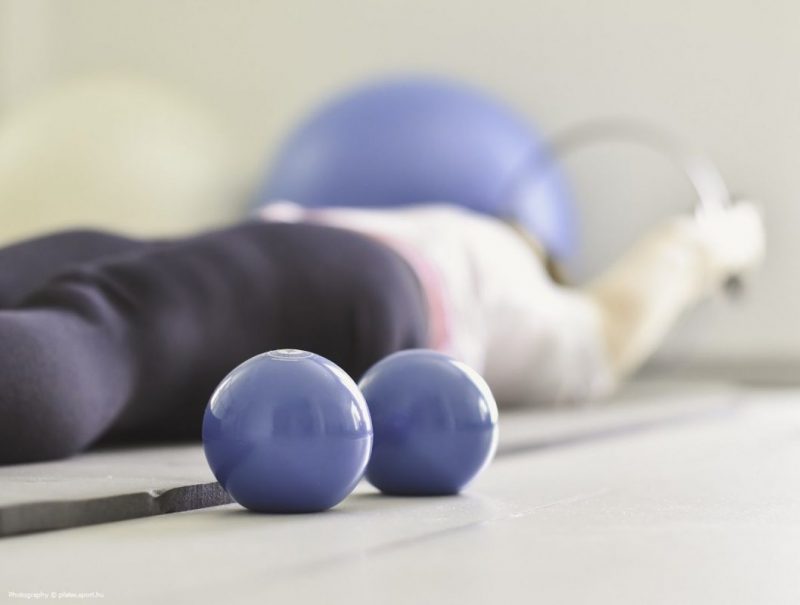
Many, many years ago, someone who lived to be 50 was considered a true miracle. However, thanks to advances in science and technology, it is no longer surprising if someone lives to be 90, or even 100(!). But for our golden years to be of good quality, it is important to remain active. Unfortunately, aging is not just about retirement and grandchildren – it naturally comes with many diseases. The risk of developing rheumatism, arthritis, osteoporosis, and many other similar diseases increases when we blow out our fiftieth candle. All of these can make regular exercise difficult.
Thanks to Pilates, we don't have to give up an active lifestyle! Pilates was developed during World War I. Joseph Pilates came up with the idea of equipping hospital beds with springs, thus allowing bedridden patients to exercise. You don't have to think of some insanely difficult and complex set of tasks – these were simple exercises that helped patients rehabilitate. This innovation later led to the Reformer, which is still regularly used today, even by those unable to walk.
Let's see why older people should also try Pilates:
- Pilates is gentle and modifiable.
Many Pilates exercises can be performed sitting or even lying down. This way, we don't put stress on the joints, which can be quite sensitive in older age. The same effects can be achieved as with other exercises – the only difference is that exercises performed lying down and sitting carry no risk. Pilates is also extremely useful after medical intervention – it is part of many rehabilitation programs and can be used after surgeries such as hip and knee surgery. The Pilates instructor modifies the exercises so that they do not overload the student, yet still allow for progress and development. Diseases such as osteoporosis, high blood pressure, and diabetes do not pose an obstacle either.
- Increases strength, flexibility, and endurance.
Everyone who starts Pilates must first master control and stability. Smaller movements gradually increase strength and endurance – unlike large and aggressive movements, which lead to early fatigue, and in the worst case, injury. As we progress, we will be able to perform more complex exercises, which will also improve flexibility.
- Helps prevent falls.
Posture, balance, breathing, and core strength are all fundamental elements of Pilates. For older people, it is extremely important to place proper emphasis on coordination and balance, as the passage of time does not spare these "abilities" either. This is why falls are much more common in older age. Pilates can increase the strength and flexibility of the core and legs, which positively affects balance.
- Maintains and improves mobility.
Constant sitting carries many health risks, regardless of age. The more we sit, the greater the risk of cardiovascular diseases, obesity, muscle and bone atrophy, diabetes, dementia, and depression. However, since we don't move as easily after fifty as before, we sit more and more. It is undeniable that as the years pass, maintaining an active lifestyle becomes an increasing challenge. With Pilates, however, mobility can be improved, and by making movement easier, we become more energetic, feel better, and last but not least, we become stronger.
- Reduces the symptoms of existing diseases.
Numerous studies support that regular exercise can slow down the aging process. Age-related diseases such as osteoporosis, muscle atrophy, and various forms of dementia (such as Alzheimer's disease) are less likely to develop if we live an active life. A 2016 study showed that an eight-week Pilates exercise program made walking easier for stroke survivors. Another study also confirmed the positive effects of Pilates in patients with Parkinson's disease. Pilates helps older people live independently for as long as possible, which is a significant factor in slowing down symptoms and improving quality of life.