
12 scientifically proven benefits of Pilates – Part 1
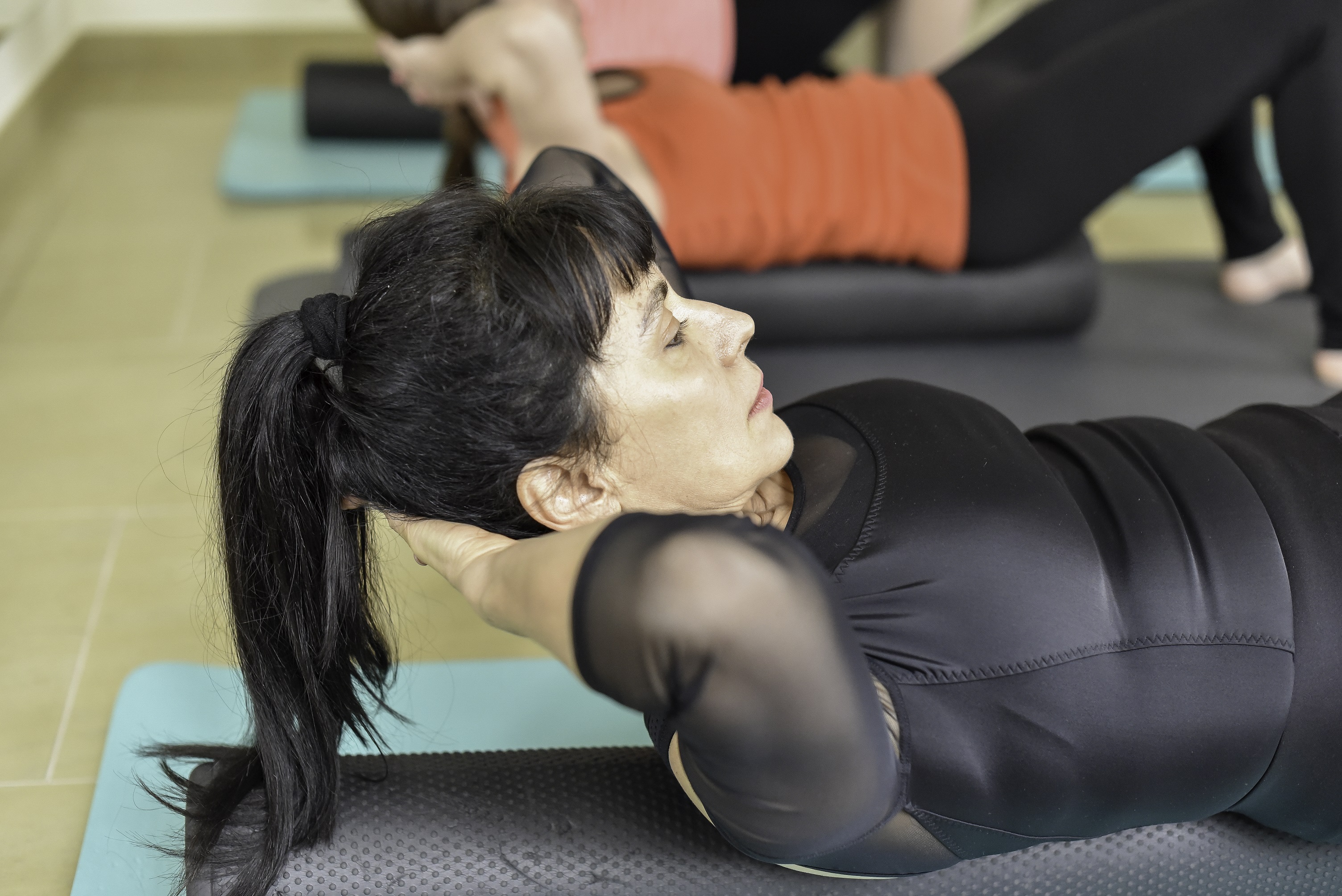
Pilates is more than just a form of exercise; it not only shapes our body but also our mind.
Most people sign up for a Pilates class to alleviate muscle pain, achieve better abdominal muscles, or recover from an injury. Pilates is perfectly suited for all of these!
The biggest surprise for Pilates practitioners comes when, after the first few weeks, they notice changes not only in their body but also in their brain, their feelings, and their entire life.
Everyone can benefit from a little relaxation from the hustle and bustle of the modern world. Most people, however, turn to meditation when they want to relax their minds. Pilates, however, offers something that no other relaxation method can provide – it works the body and rests the mind simultaneously. This is how the balance needed for a happy, healthy life can be achieved.
Let's see what (scientifically proven) benefits we can gain from trying Pilates!
- Pilates improves memory and makes us smarter.
As we enter our late twenties, our hippocampus slowly begins to lose volume. Why should this concern us? Because the hippocampus is responsible for cognitive function and memory. We could say that our brain starts to shrink.
For a long time, we thought that we were all born with a fixed number of brain cells, but as it recently turned out, this is not true. Our brain is capable of generating new brain cells, thereby slowing down the shrinking process. For us, this means better memory, better problem-solving skills, a higher intelligence level, etc.
Several studies have already explored the connection between the brain and exercise. The result was consistent across all studies – exercise stimulates neurogenesis (the production of new brain cells) and protects existing brain cells. These changes are also observable in the hippocampus.
The Journal of Physical Activity and Health published research from the University of Illinois, which states that brain function is much higher after Pilates or yoga than after aerobic workouts.
- Pilates trains the brain.
Learning new activities trains the brain. Oxford researchers discovered that when we learn a new activity, the density of the brain's white matter increases. White matter allows nerve cells to communicate. If nerve cells are created but cannot connect with each other, they will die within a short time, so the density of white matter is extremely important.
Learning new activities is therefore an indispensable part of brain fitness. Most of us, however, don't have time to dedicate several hours a day to a new hobby.
This is where Pilates comes in, as we can kill two birds with one stone – we work on both the body and the mind simultaneously. If we automate our workout (for example, by using a stationary bike or treadmill while watching TV, or by mindlessly going through the same yoga exercises), we halve the beneficial effects of the workout, not to mention doubling the risk of injury.
According to Anne Bishop, Pilates instructor and researcher, learning a new Pilates movement or modification can challenge both the body and the brain at the same time.
We will analyze the scientifically proven benefits of Pilates in three more articles. Until then, we bid farewell with the words of Joseph Pilates: "Pilates is the complete coordination of body, mind, and spirit."