
10 Benefits of Stretching
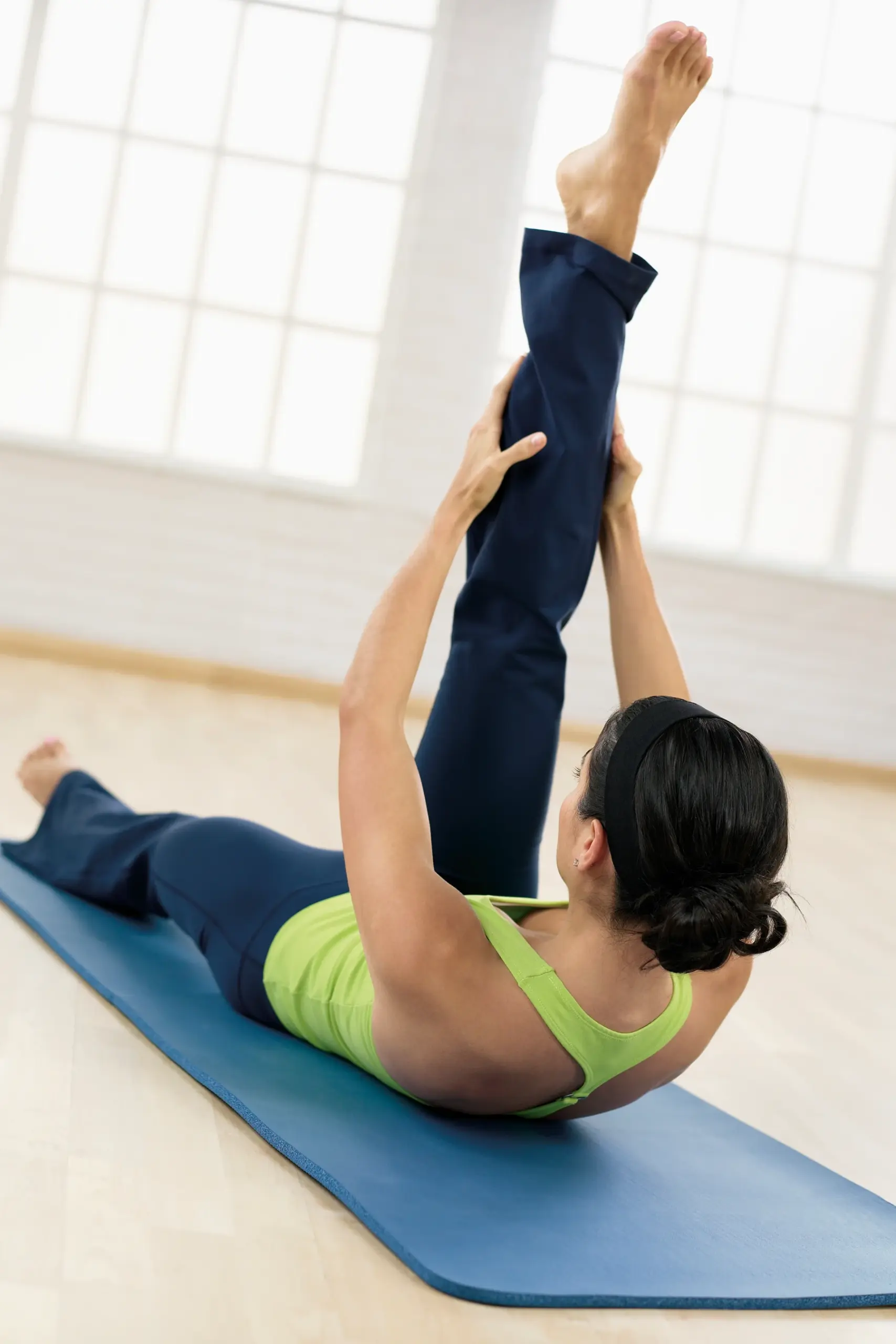
Stretching and Pilates generally go hand in hand. With stretching, as the word itself suggests, we stretch our muscles and joints. However, we rarely perform stretching alone. We usually use it as a supplement, for example, alongside Pilates. Stretching prepares us for Pilates itself, and with stretching, we can relax our muscles after the workout.
One important thing distinguishes stretching and Pilates from other exercise programs. While stretching or performing Pilates exercises, full concentration and focus are required. We cannot switch off our brains as we do with running, cycling, or similar cardio exercises. We step on the treadmill, put on our headphones, turn up the volume, and we're in another world. We don't pay attention to how we run – our body seems to function on its own. This is not possible with Pilates and stretching – we must be mentally present at every moment. Not only will this allow us to perform tasks with greater precision, but we can also utilize this newly acquired concentration skill in our daily lives.
There are many methods of stretching. There are specific exercises for warming up, relaxing, rehabilitation, etc. Regardless of the method, stretching offers the following benefits:
- Greater flexibility
It's self-explanatory. We stretch our muscles and ligaments, making our entire body more flexible. If you couldn't touch the floor by bending forward before, with regular stretching, you might even be able to place your palms on the floor without bending your knees.
- Stress management
What puts us in a state of stress? We are constantly rushing, running errands, cooking, washing, attending meetings, and by the end of the day, we feel like a stretched-out rag doll. Stretching helps relieve stress for two reasons. First, while stretching, we focus only on the movements, not on the endless daily tasks. We distance ourselves from problems and gain a little peace. Second, we get to know our bodies, as stretching puts our muscles under stress. If we learn to accept that kind of stress, we will also be able to handle "mental stretching" more easily.
- Clearer thinking
In our fast-paced world, sometimes there isn't even time to seek new perspectives and see things clearly. However, during stretching, it becomes easy to see what is truly important and what we need to let go of. After all, a healthy mind in a healthy body!
- Pain control
Movement can help identify where the pain is coming from. Once we find the source, it will be easier to reduce the pain with different movements. It is more effective to view stretching as an exploratory journey. This time, however, it is our body that needs to be mapped. If we always adopt the same poses, only certain muscle groups will work. This makes it harder to pinpoint exactly which part of our body the pain originates from. Mastering proper breathing techniques and certain stretches help reduce physical tension.
- Better body-mind connection
We often don't pay enough attention to our bodies. We neglect hunger, fatigue, and pain because we simply don't have time to deal with them. Stretching gives us time to connect with our bodies and assess whether everything is alright physically and mentally. All that is needed for this is to find a quiet place for stretching where nothing distracts us.
- More restful and quality sleep
It's hard to fall asleep if we feel something is wrong. It could be a dull ache, tension, or anything else that keeps us awake. Most of us constantly carry some tension without even realizing it. This tension is usually carried in the shoulders, back, and abdomen. A simple stretch helps alleviate this tension, resulting in more restful sleep.
- Reduced risk of injuries
A body that doesn't bend, breaks. This is especially true for older people, where even minor falls can result in bone fractures (of course, this also depends on bone condition). Let's work on making our bodies flexible, so it's much more likely that in a fall, we'll only bruise our muscles and not break bones (the most vulnerable areas are definitely the hips, wrists, and knees).
- Improved well-being
According to scientists, just 7 minutes of exercise daily is enough to make us feel better, thereby reducing the risk of developing depression. Yes, stretching is also considered exercise, and no, it's not just for the weak.
- Weight loss
Stretching stimulates the body's efficiency. It stimulates circulation, delivering fresh oxygen to the muscles and brain. Our body eliminates toxins more easily, which can even aid weight loss. And although weight loss is generally not the primary goal of stretching, most people experience it as a pleasant side effect.
- Better balance and posture
More flexible, stronger muscles help maintain balance. Stretching can also release the stiffer parts of the body responsible for poor posture. With stretching, our body becomes more symmetrical, and changes in our posture will be almost immediately noticeable. It is important to stretch regularly so that our muscles remember the movements. It is worth repeating the basic exercises at least 3-4 times a week.
Don't try to change your whole life with a single hour of stretching. Don't aim to learn the splits in a week or become a contortionist. Set realistic goals and progress step by step! Don't overdo it the first time, as your body needs time to adapt to new movements. Know your limits and don't expect the impossible from yourself. If you are persistent and patient, you will soon feel the benefits of stretching.