
The art of breathing in Pilates
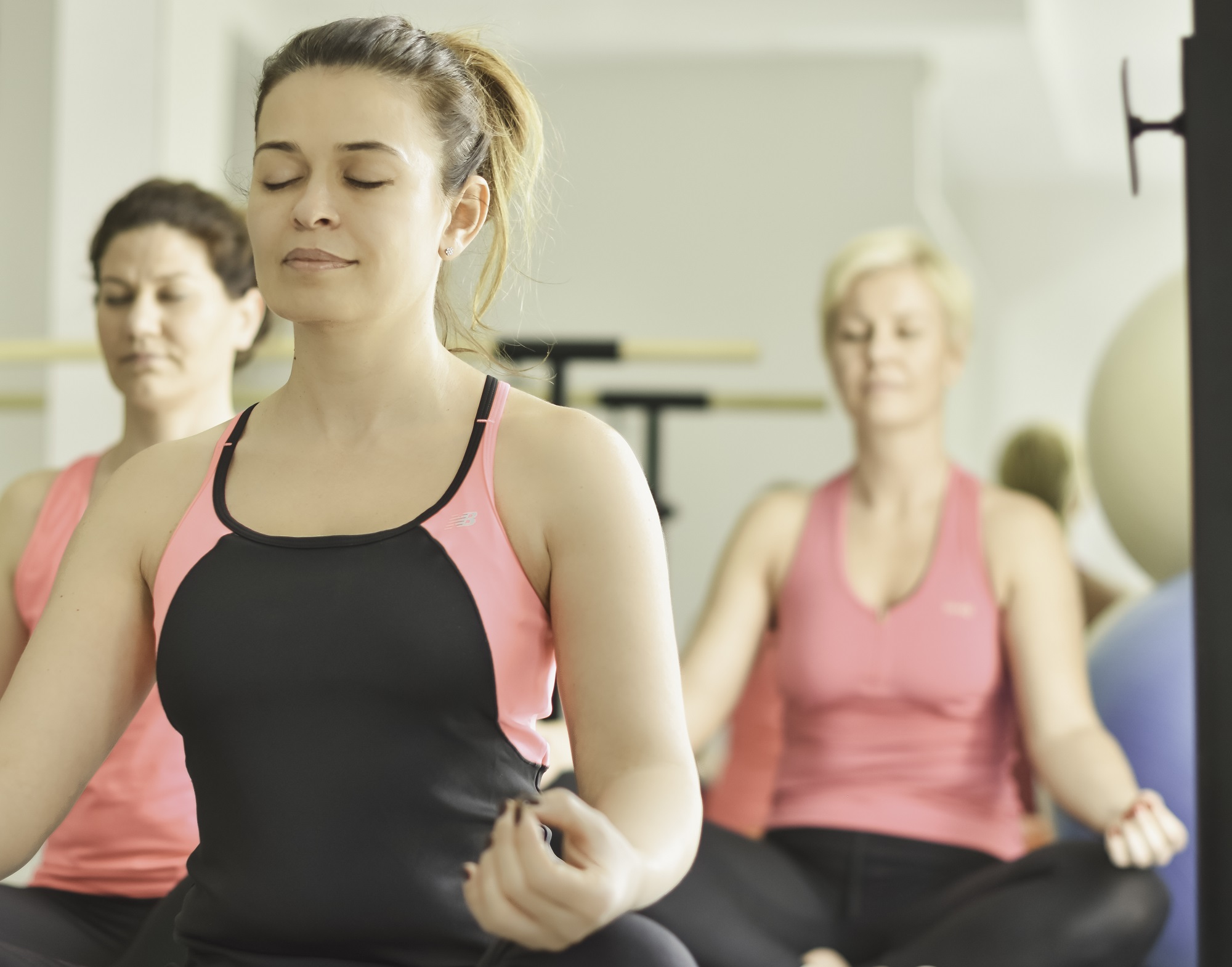
Pilates movements are precise, controlled, and centered. We assume a position, hold it, then slowly, gently change position. However, a key element of Pilates is breathing, which distinguishes it from other exercise forms.
Breathing is one of several fundamental elements of Pilates. Joseph Pilates also specifically emphasized it. He called breathing “the purification of the body through blood circulation.”
Most of us don't pay enough attention to breathing, as we never had to learn it. We cried a little with our first breath, then never thought about it again. However, improper breathing technique can lead to numerous health problems, such as tension, headaches, nausea, insomnia, chest pains, panic attacks, and back pain.
The consequences of incorrect breathing can be felt almost immediately. If we feel dizzy, sigh frequently, are tired and weak, experience numbness or tingling in our limbs, or often feel thirsty, it's possible that our breathing technique is inadequate. Of course, these symptoms can also indicate a more serious illness, so it's worth consulting a doctor. However, if our doctor says there's nothing wrong, it usually means we don't know how to breathe correctly.
What are the benefits of correct breathing? Many things, including higher energy levels, easier weight maintenance, healthy skin, easier concentration, better digestion, elimination of back and neck pain, and a greater enjoyment of life.
For all these reasons, it is extremely important to learn to breathe correctly. This is what Pilates is for (among other things). Most Pilates courses begin classes by teaching correct breathing. Pilates emphasizes three-dimensional breathing that ventilates and engages the entire lung, rather than shallow breathing, which can also be called chest breathing.
Through chest breathing, we cannot enjoy the beneficial effects of correct breathing technique. It does not provide us with all the energy needed to perform Pilates exercises correctly. Every form of movement has its correct breathing method, and this is the best for Pilates.
In Pilates breathing, we inhale through our nose. We feel the air filling our lungs and moving towards the sides of the ribs (i.e., laterally). Then we exhale through the mouth, forcefully expelling the air from the lungs while our chest closes. This breathing technique supports the spine, the intercostal muscles, and the diaphragm, which is one of the fundamental goals of Pilates.
However, the most important part of correct breathing is not the technique itself, but doing it without overthinking, almost just letting it happen. Practice makes perfect, so after a few Pilates classes, it will come naturally, but at first, we might achieve the opposite effect. If we try too hard, the muscles in our neck and shoulders tense up, thereby violating one of the basic rules of Pilates, which is flow.
As with all Pilates exercises, form is important here, but even more crucial is to completely eliminate stress (not only when performing the exercises, but also in everyday life). We can even practice proper breathing at home. This makes it easier to learn the technique without worrying about whether we are performing the exercise itself correctly.
Breathing is as much a part of Pilates as performing the exercises, so feel free to ask your instructor any questions that may arise. It is extremely important to breathe correctly, as this is how we can best enjoy the positive effects of Pilates.
Pilates movements are precise, controlled, and centered. We assume a position, hold it, then slowly, gently change position. However, a key element of Pilates is breathing, which distinguishes it from other exercise forms.
Breathing is one of several fundamental elements of Pilates. Joseph Pilates also specifically emphasized it. He called breathing “the purification of the body through blood circulation.”
Most of us don't pay enough attention to breathing, as we never had to learn it. We cried a little with our first breath, then never thought about it again. However, improper breathing technique can lead to numerous health problems, such as tension, headaches, nausea, insomnia, chest pains, panic attacks, and back pain.
The consequences of incorrect breathing can be felt almost immediately. If we feel dizzy, sigh frequently, are tired and weak, experience numbness or tingling in our limbs, or often feel thirsty, it's possible that our breathing technique is inadequate. Of course, these symptoms can also indicate a more serious illness, so it's worth consulting a doctor. However, if our doctor says there's nothing wrong, it usually means we don't know how to breathe correctly.
What are the benefits of correct breathing? Many things, including higher energy levels, easier weight maintenance, healthy skin, easier concentration, better digestion, elimination of back and neck pain, and a greater enjoyment of life.
For all these reasons, it is extremely important to learn to breathe correctly. This is what Pilates is for (among other things). Most Pilates courses begin classes by teaching correct breathing. Pilates emphasizes three-dimensional breathing that ventilates and engages the entire lung, rather than shallow breathing, which can also be called chest breathing.
Through chest breathing, we cannot enjoy the beneficial effects of correct breathing technique. It does not provide us with all the energy needed to perform Pilates exercises correctly. Every form of movement has its correct breathing method, and this is the best for Pilates.
In Pilates breathing, we inhale through our nose. We feel the air filling our lungs and moving towards the sides of the ribs (i.e., laterally). Then we exhale through the mouth, forcefully expelling the air from the lungs while our chest closes. This breathing technique supports the spine, the intercostal muscles, and the diaphragm, which is one of the fundamental goals of Pilates.
However, the most important part of correct breathing is not the technique itself, but doing it without overthinking, almost just letting it happen. Practice makes perfect, so after a few Pilates classes, it will come naturally, but at first, we might achieve the opposite effect. If we try too hard, the muscles in our neck and shoulders tense up, thereby violating one of the basic rules of Pilates, which is flow.
As with all Pilates exercises, form is important here, but even more crucial is to completely eliminate stress (not only when performing the exercises, but also in everyday life). We can even practice proper breathing at home. This makes it easier to learn the technique without worrying about whether we are performing the exercise itself correctly.
Breathing is as much a part of Pilates as performing the exercises, so feel free to ask your instructor any questions that may arise. It is extremely important to breathe correctly, as this is how we can best enjoy the positive effects of Pilates.