
5 tips for a healthy spine
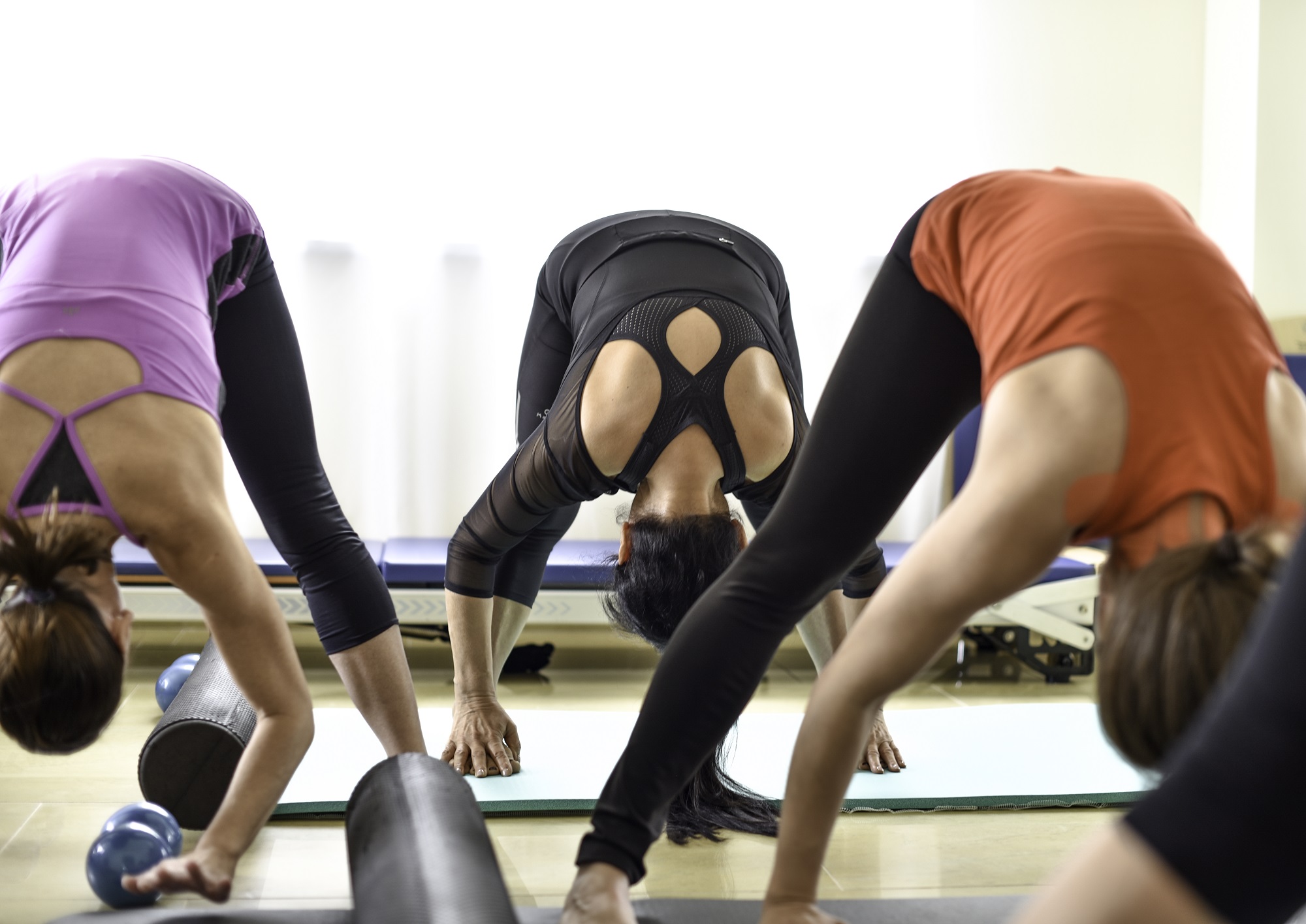
Spinal problems can appear as early as our twenties. Regardless of the cause of the pain – injury, or perhaps poor posture – it can hinder us in many ways. To prevent injuries and scoliosis or spinal curvature resulting from asymmetrical loading, it is important to strengthen the spine. We can strengthen the spine in several ways – through stretching, strengthening exercises, gymnastics, sports, or even by trying to stand and sit as straight as possible.
How many times did our parents and teachers tell us to sit up straight? But we didn't listen to them, and as a result, we feel our back aching more and more often. At first, we only feel it after prolonged sitting, then later we notice that the pain has become our constant companion – and from there, it's just one step away from a pinched nerve, strain, or other injury that can confine us to bed for weeks.
Let's see how we can protect the health of our spine with a few simple tips:
Standing: While standing, maintain a slight stance with your feet apart. Tuck your tailbone in slightly, and push your pubic bone forward. If done correctly, you should feel a slight indentation in your lower back. Lift your chest by pulling your shoulders back and then relaxing them. Keep your head up, and don't clench your jaw! Imagine that a balloon is attached to you behind each ear, lifting you towards the crown of your head. Pay attention to the fact that your spinal vertebrae are located at the back of your neck, so it's important not to tilt your chin up, but rather to lengthen the back of your neck towards the crown of your head. It takes a little time to get used to this new posture, but it's absolutely worth it! After a while, you won't even have to pay attention to how you're standing, as your body will get used to the correct posture.
Sitting: If we don't count the time we spend sleeping, we spend most of our day in a sitting position. When you sit down, push yourself all the way to the back of the chair (your buttocks should touch the backrest of the chair). Bend your legs at a 90-degree angle, and leave a little space between your knee pits and the chair. Keep your back straight, just as you would when standing. Here too, it's important that your neck is in a neutral position and that your jaw is relaxed – this can prevent muscle fatigue.
Sleeping: How many times have we "slept on" our neck or back? How many times have we woken up feeling like we'd been beaten? All of this has lasting consequences for the spine. While sleeping, we cannot pay attention to posture and how we lie, but there are a few things we can do to improve the quality of sleep. It's best to sleep on a firm mattress. However, if this is not possible, you don't have to give up restful sleep. Get rid of oversized pillows, as these elevate the upper part of the spine. Overly soft pillows are not the most advantageous either, as they can deform in many ways during sleep. It's best to choose a pillow that provides adequate support, is relatively firm, and not too large. If you wake up at night and notice that you are lying on your stomach, change your position, as too much stomach sleeping can also deform the spine (not drastically, but it's still better to avoid). Lying on your side and back is the most optimal, and if you place a pillow between your knees (when lying on your side) or under your legs (when lying on your back), you can relieve pressure on your lower back.
Lifting: If you are lifting something heavy, do not try to carry the load on one side or on your back. Place the load in front of you. Bend your knees (as if squatting), and place your spine in a neutral position. Lift slowly, and be careful not to hunch forward. If you are not lifting a heavy barrel or suitcase, but weights (say, in a gym), then pay attention to what your instructor or trainer says. If you are training alone, then feel free to stick to the process described above.
Exercise: As much as exercise can help, it can also harm if not performed correctly. We can prevent injuries by strengthening the muscles surrounding the spine. However, before diving into the exercises, warm up! Perform stretches that focus on the back muscles. Examples include cat pose, mountain pose, or inverted bridge. Morning stretching is also extremely useful, especially if you slept in a bad position at night. Forms of movement such as Pilates help relieve spinal tension and help you learn correct posture. Pilates, light weight training, and push-ups all strengthen the back.
Pay attention to these simple and easy-to-follow tips to live a pain-free, healthy life!