
12 scientifically proven benefits of Pilates – Part 3
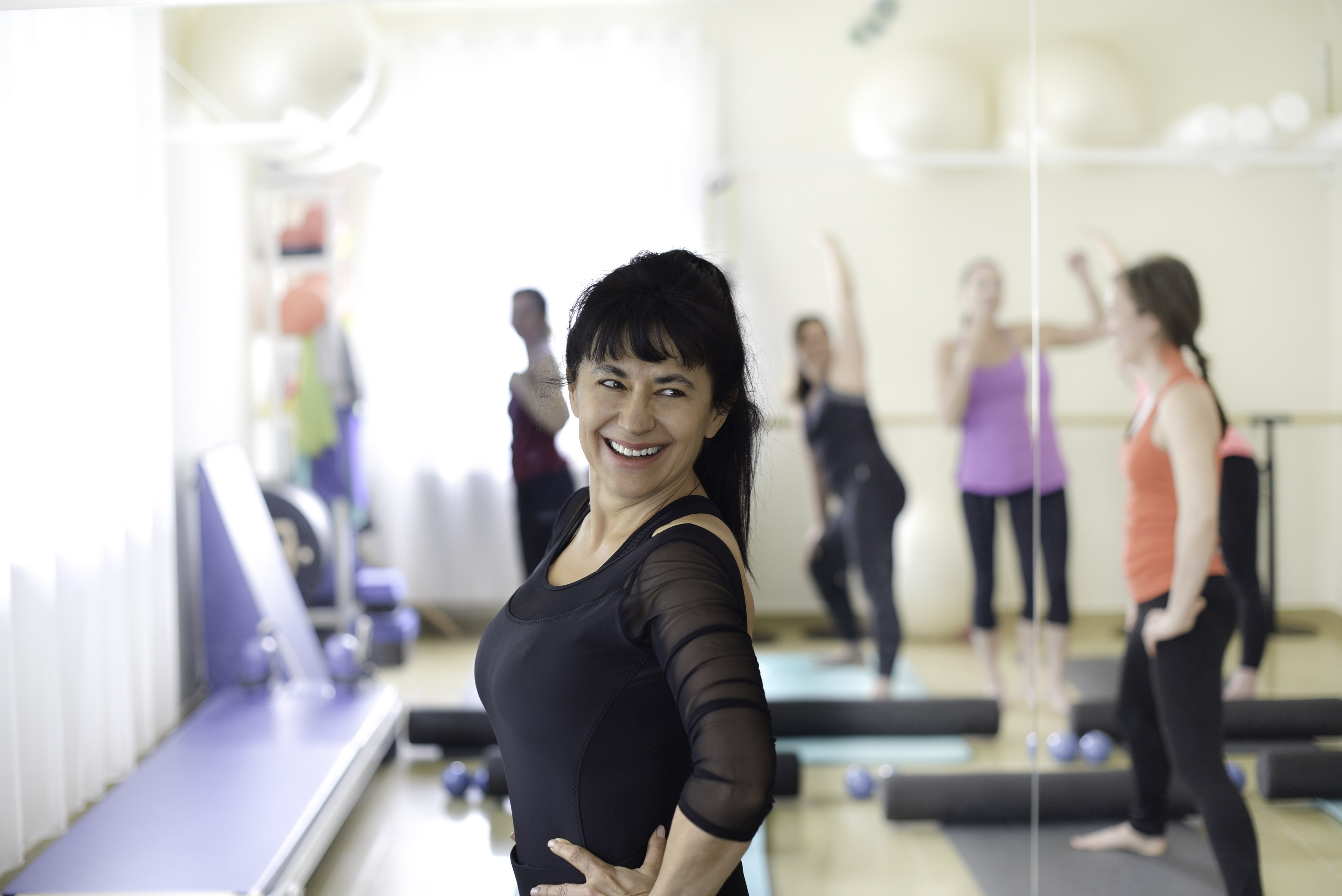
We have successfully worked our way through the first 5 benefits. Many of you have probably wondered what other benefits we will encounter, as we seemingly covered everything. Well, we are far from the end. So far, we have talked about the obvious things, but now let's look at the benefits that we would never associate with Pilates on our own!
- Pilates and yoga keep stress in check.
While it's important to know how to get rid of stress, it's even more important to learn how to keep ourselves away from it. If we don't address the source of stress (how we perceive a given situation and how we react to it), we won't be able to completely exclude it.
Since Pilates has only become truly popular in the last few years, no scientific results have yet been published on this topic. Yoga, however, has been thoroughly studied, so we can state with full certainty that it is an excellent stress reliever. And although yoga and Pilates are not the same, they have one very important common characteristic – both forms of movement place great emphasis on the mind-body connection.
According to research, the beneficial effects of yoga can be felt even after just one session. Researchers say that in yoga, the position itself is the source of stress. And when we master the movement and successfully assume the position, the stress disappears. The same thing happens during Pilates. When physical demands meet regular breathing and the mind-body connection, the nervous system reacts by maintaining a state of calm. We can later apply this in real life, thus being able to decide what is worth stressing about and what is not.
- Pilates makes you happier.
If you like to exercise and you like Pilates, then you will be happier because of it.
When we put our body under positive stress (like when we do our favorite form of exercise), our brain releases endorphins into the body. Endorphins are also called happiness hormones for a simple reason – they make us feel better. If we enjoy the workout, we focus on the movements throughout and don't let our thoughts wander, we will be much happier and calmer after the workout.
Even Joseph Pilates said: "Physical fitness is the first requisite of happiness."
- Pilates makes you more creative.
A creative and open mind allows us to experience life to its fullest and to solve life's challenges in innovative ways.
Both exercise and meditation develop creativity. Since Pilates allows us to exercise and meditate at the same time, it is a perfect method for bringing out our creative side.
- Pilates helps you manage your emotions.
Our emotions and our breathing are closely related. According to Pierre Phillipot's research, different emotional states are linked to different breathing patterns. Just think about how we breathe when we are scared, and how we breathe when we are calm. The research doesn't reveal anything incredible to us with this, as it's pure logic.
The interesting part of the research is that different breathing forms evoke different emotions. Through our breathing, we can go from a state of calm to stress, and vice versa.
"Above all, learn to breathe correctly," said Joseph Pilates.
Breathing is one of the fundamental principles of Pilates, and mastering the correct breathing technique is one of its greatest benefits. Most of us are lazy breathers, which means our breathing is shallow, and we only pay attention to it when we "run out of breath." However, by mastering the correct breathing technique, we can calm ourselves in tense situations.
This mini-series will conclude with our next article. We will finally get a complete picture of the scientifically proven benefits of Pilates and be able to decide whether it's worth getting into it at all (hint – it definitely is!). Next time, we will talk about the remaining three benefits, which will mostly influence our self-perception.